
Timing belt replacement: when and why is it necessary?
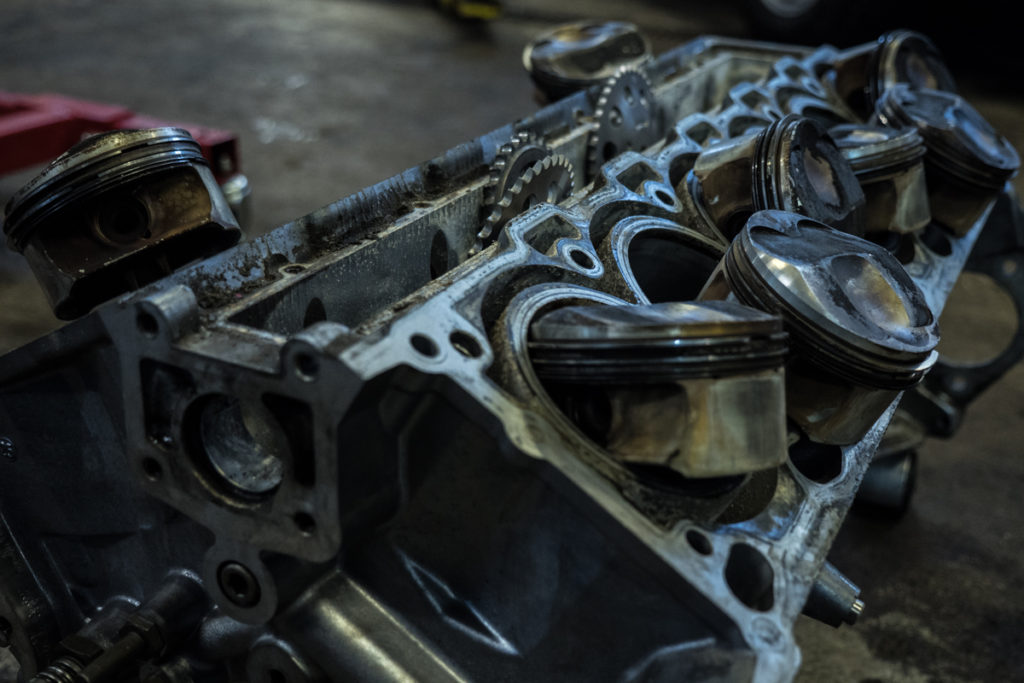
A broken timing belt can destroy an engine. We describe replacement intervals, warning signs and why the rollers and water pump are replaced together with the belt.
The timing belt synchronises the crankshaft and camshaft. If the belt snaps, in many engines the valves hit the pistons – resulting in an expensive cylinder head repair or even an engine replacement.
The rollers and tensioner wear at the same rate. The water pump is often driven by the same belt, so it is usually replaced at the same time – that way the engine does not have to be taken apart twice.
We replace timing belts and chains together with rollers and water pumps – see engine repair. Car won’t start? Use our towing service.
It depends on the engine. We can tell you based on the engine code – give us a call.
No. A broken belt can cost several times more than a preventive replacement.
Depending on the engine, usually from a few hours to one working day.
The engine is the most expensive part of your car. We explain why regular maintenance saves money, what the risks of neglect…
Read more
The oil change interval depends on the engine and how you drive. We explain why short city trips are hard on oil…
Read more
Timing chains are thought to last forever, but they stretch too. How to recognise chain problems and why you must not ignore…
Read more