
Timing chain stretch: symptoms and risks
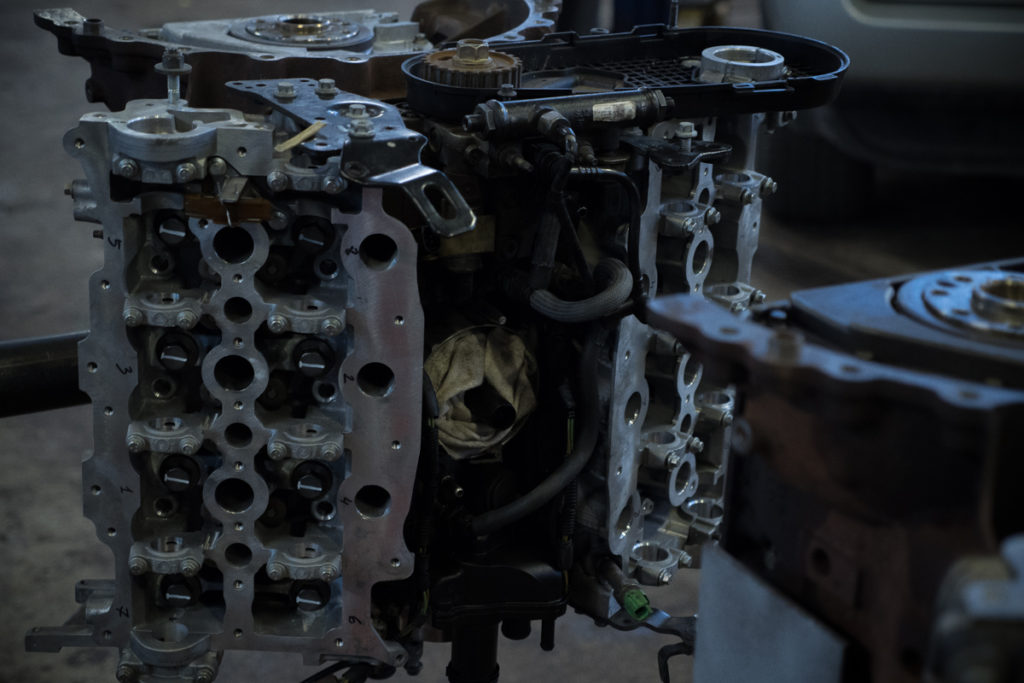
Timing chains are thought to last forever, but they stretch too. How to recognise chain problems and why you must not ignore a rattling chain.
Many modern engines use a timing chain instead of a belt. Although a chain is more durable, it stretches over time – especially if the oil has been changed rarely. A stretched chain can jump a tooth and damage the engine.
The chain can jump a tooth or break. The result can be bent valves, damaged pistons and a costly repair. Early replacement is always cheaper.
We check the chain condition with diagnostics and replace the chain together with tensioners and guides – see engine repair.
Yes, if it has stretched or you hear rattling. In many engines this happens at 150,000–250,000 km.
We do not recommend it. Come in for diagnostics as soon as possible to avoid engine damage.
Usually the tensioners, guides, sprockets and seals.
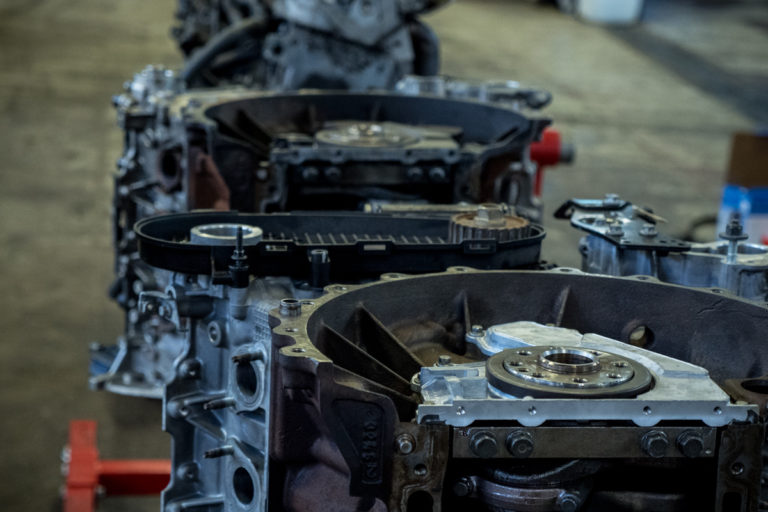
The engine is the most expensive part of your car. We explain why regular maintenance saves money, what the risks of neglect…
Read more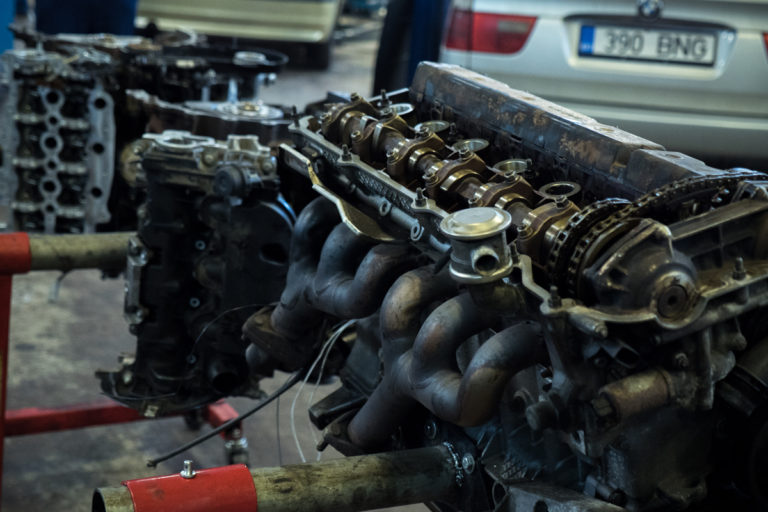
The oil change interval depends on the engine and how you drive. We explain why short city trips are hard on oil…
Read more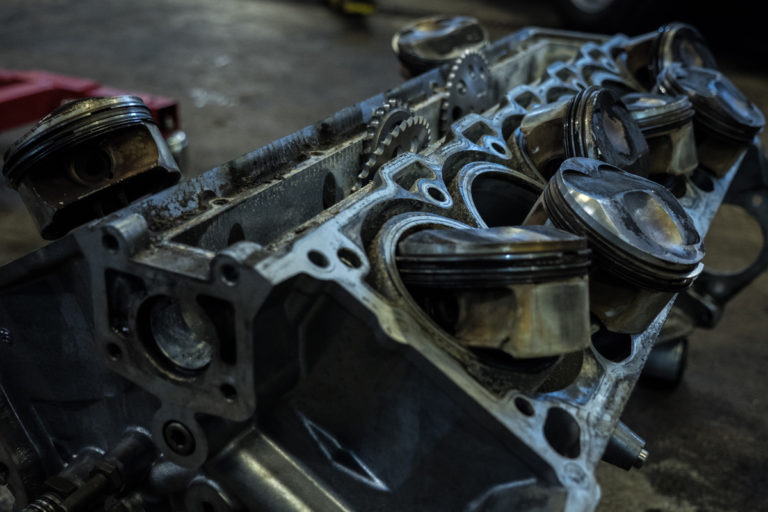
A broken timing belt can destroy an engine. We describe replacement intervals, warning signs and why the rollers and water pump are…
Read more