
Engine burning oil: causes and solutions
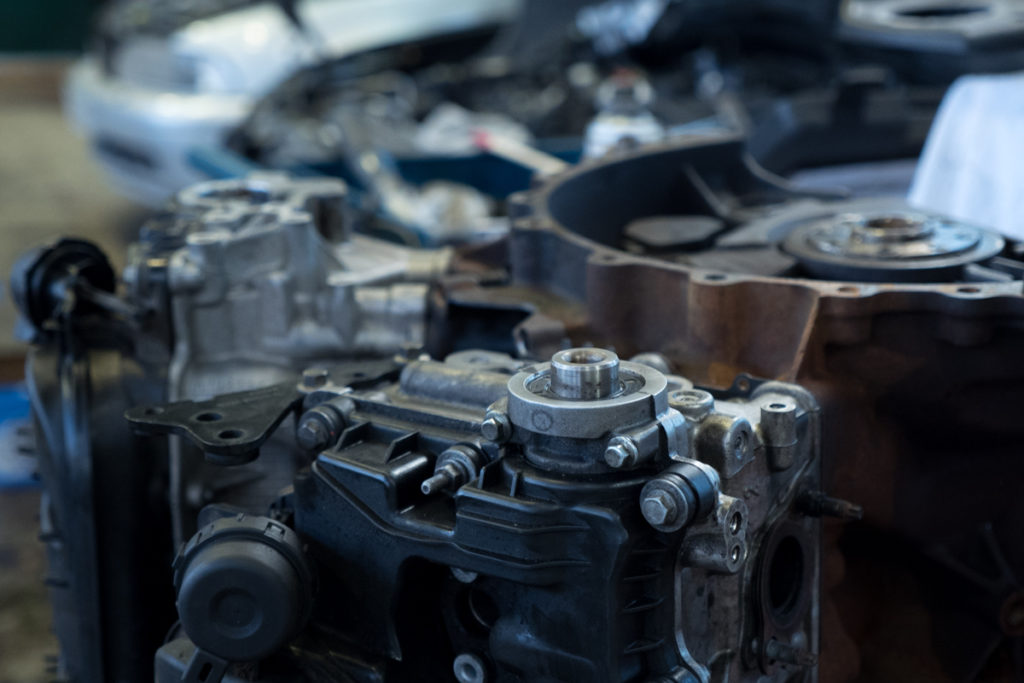
A little oil consumption is normal, a lot is not. We explain where the oil goes, how to find the cause and when an engine repair is needed.
Every engine uses a little oil, but if you have to top up every couple of thousand kilometres, there is a problem. A low oil level is one of the fastest ways to destroy an engine.
We check for leaks, measure compression, inspect the turbo and, if needed, use an endoscope. That way expensive parts are not replaced for nothing.
Check the oil level every time you fill up and keep it above the minimum. Do not drive if the oil pressure light comes on.
We find the cause of oil consumption with diagnostics and replace seals, rings or the turbo – see engine repair.
Many manufacturers allow up to 0.5 l per 1,000 km, but a healthy engine usually uses much less.
It may reduce the symptom temporarily, but it does not fix the cause and can harm the engine.
No. Often repairing the seals, crankcase ventilation or turbo is enough.
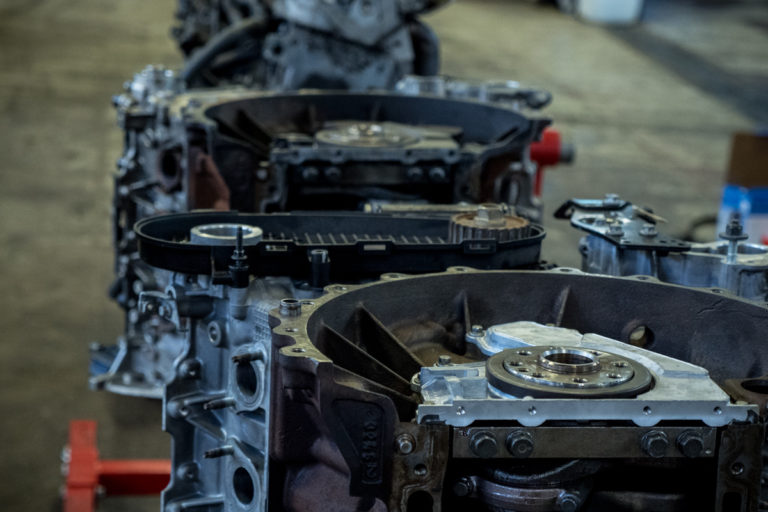
The engine is the most expensive part of your car. We explain why regular maintenance saves money, what the risks of neglect…
Read more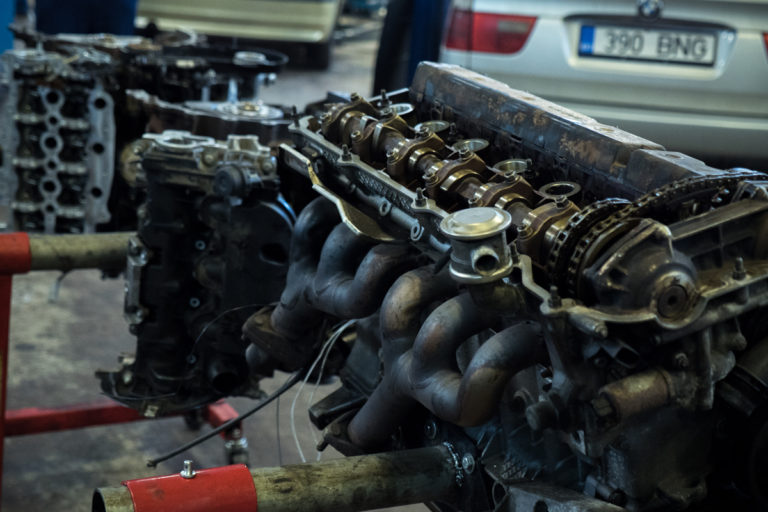
The oil change interval depends on the engine and how you drive. We explain why short city trips are hard on oil…
Read more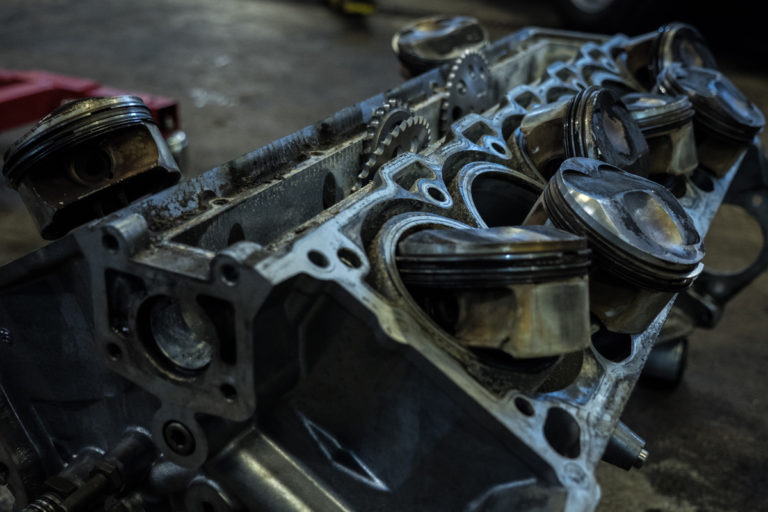
A broken timing belt can destroy an engine. We describe replacement intervals, warning signs and why the rollers and water pump are…
Read more