
Turbo failure: signs and how to prevent it
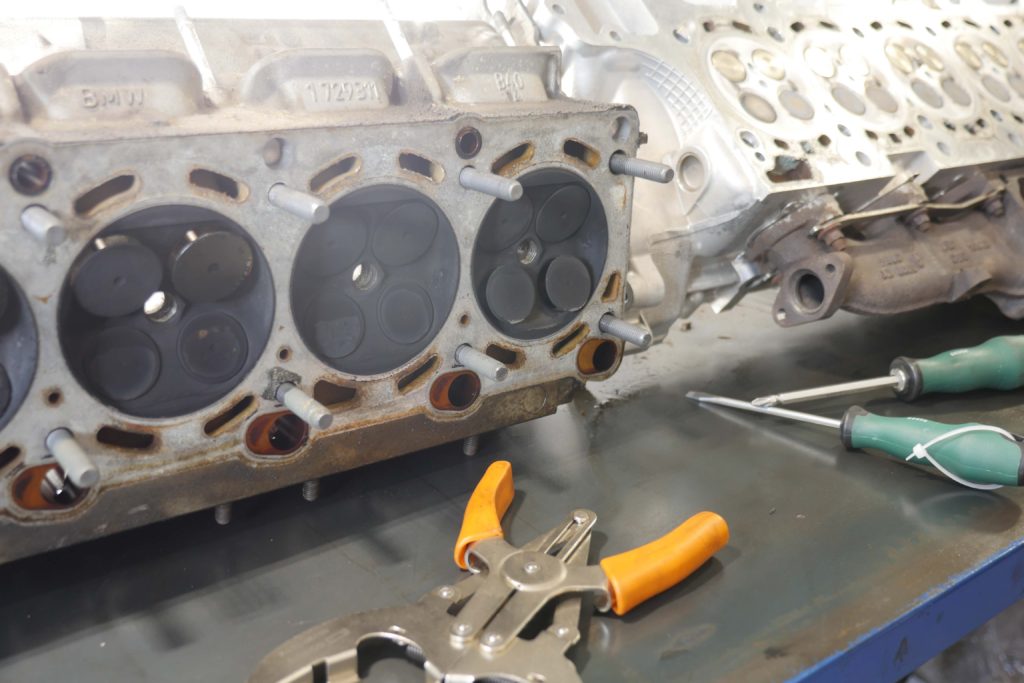
A turbocharger works under extreme conditions. We describe the signs of turbo failure and simple habits that extend its life.
A turbo spins at up to 200,000 rpm and depends entirely on oil. Most turbo failures are really oil failures – old oil, a low level or a clogged oil feed pipe.
Before replacing the turbo, the cause of the failure must be found – otherwise the new turbo will soon fail too. We check the oil supply, air path and controls.
We inspect and replace turbos and find the cause of failure – see engine repair and diagnostics.
Not always – the whistle can also come from a leaking hose. Diagnostics shows the exact cause.
With proper care, often as long as the engine. Neglect can destroy it in under 100,000 km.
We do not recommend it – turbo parts can get into the engine and cause much greater damage.
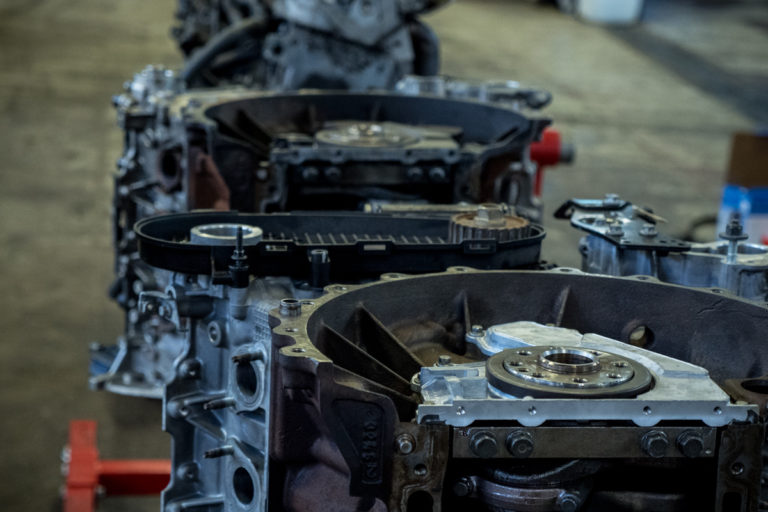
The engine is the most expensive part of your car. We explain why regular maintenance saves money, what the risks of neglect…
Read more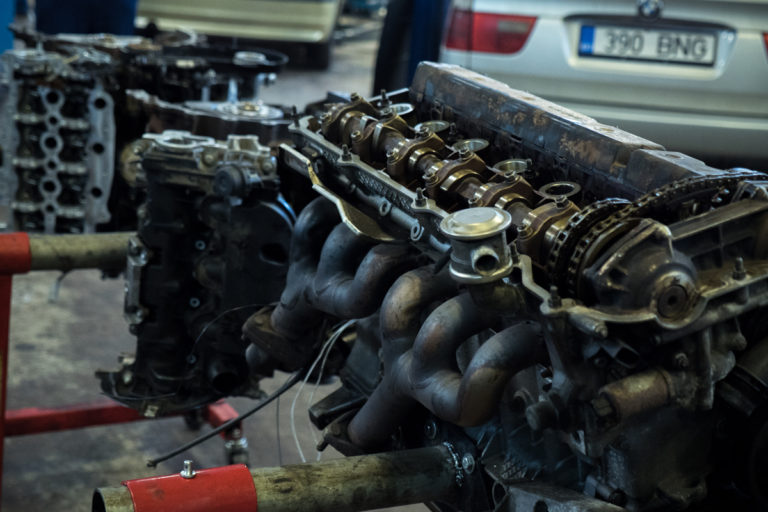
The oil change interval depends on the engine and how you drive. We explain why short city trips are hard on oil…
Read more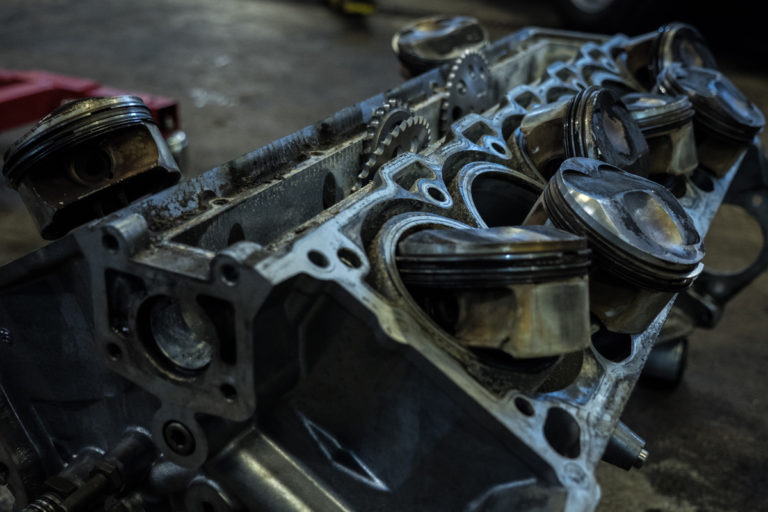
A broken timing belt can destroy an engine. We describe replacement intervals, warning signs and why the rollers and water pump are…
Read more