
Cooling system maintenance: coolant, thermostat and water pump
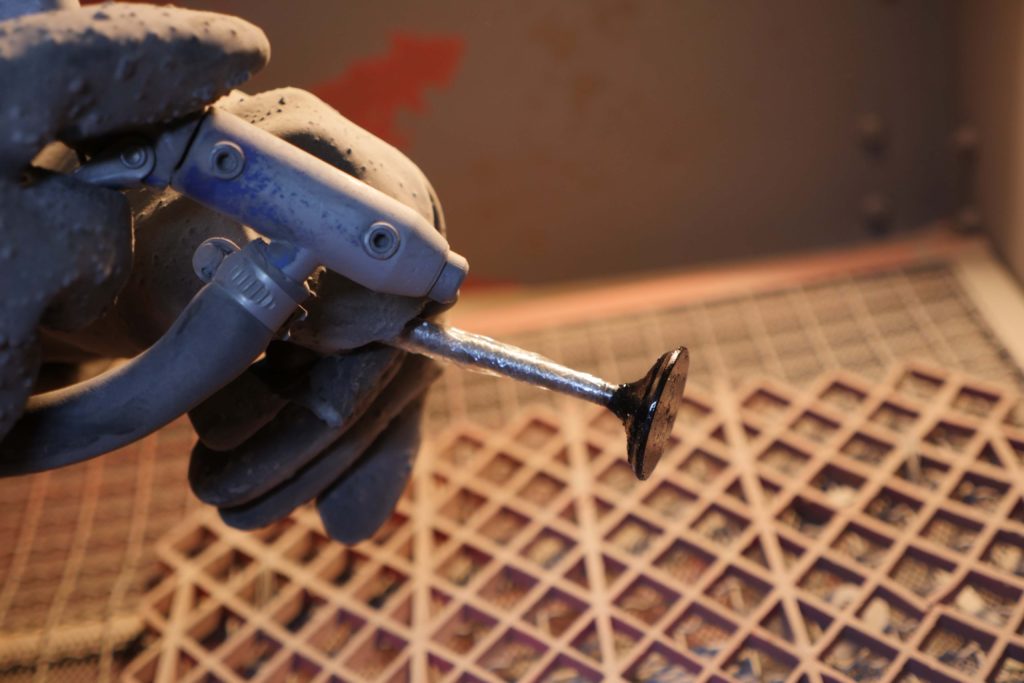
The cooling system protects the engine from overheating. When to change the coolant and what the signs of thermostat and pump failure are.
The cooling system keeps the engine at its optimal temperature. A small leak or old coolant can lead to cylinder head damage, so the system should be maintained regularly.
We replace coolant, thermostats and water pumps – see maintenance and engine repair.
Yes, with the same type of coolant. If the level keeps dropping, the leak needs to be found.
If the pump is driven by the timing belt, it makes sense to replace them at the same time.
A common cause is a thermostat stuck open or air in the system.
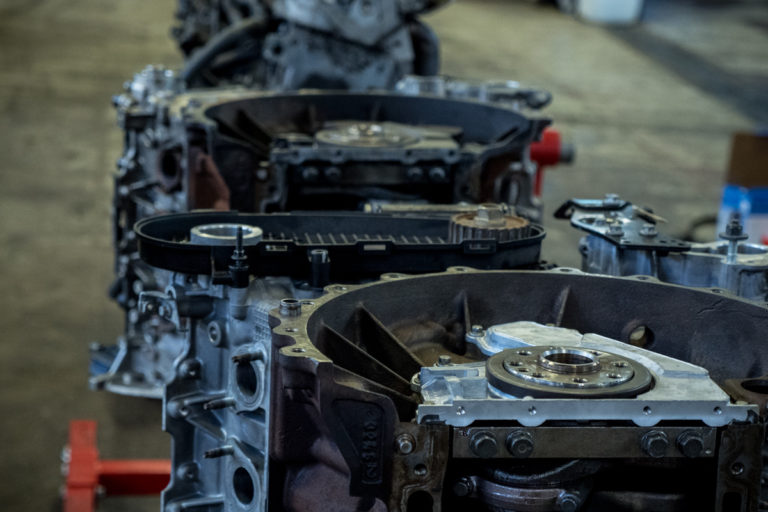
The engine is the most expensive part of your car. We explain why regular maintenance saves money, what the risks of neglect…
Read more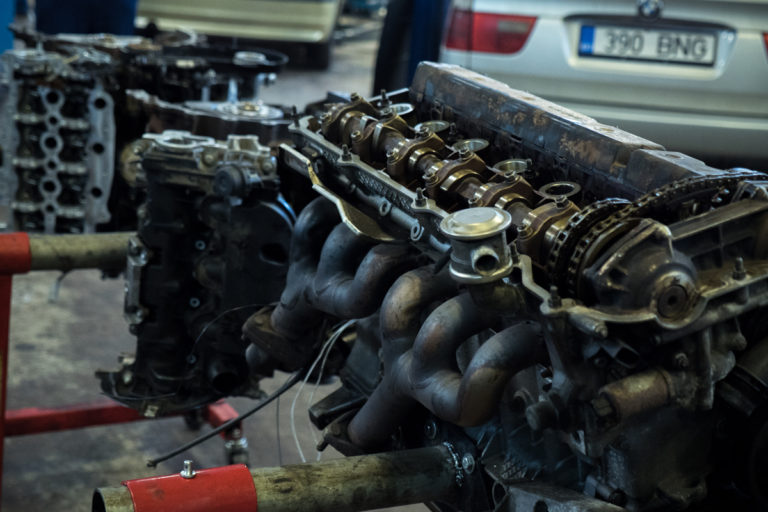
The oil change interval depends on the engine and how you drive. We explain why short city trips are hard on oil…
Read more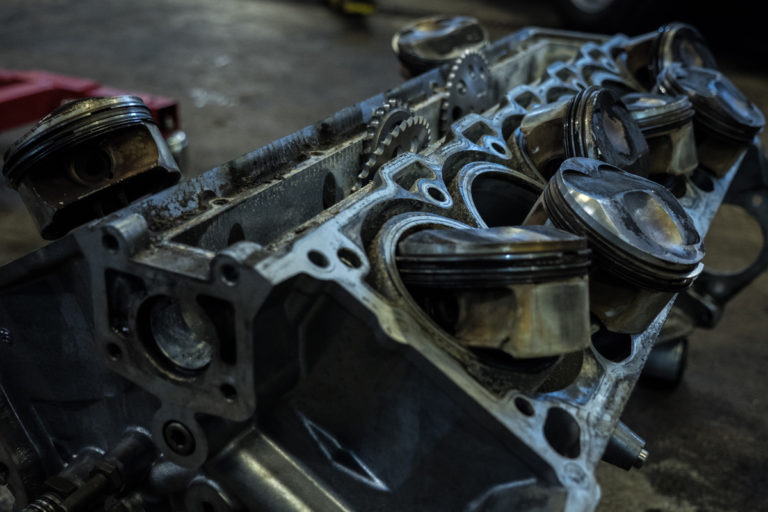
A broken timing belt can destroy an engine. We describe replacement intervals, warning signs and why the rollers and water pump are…
Read moreThis will close in 0 seconds
