
Blog · 25.10.2026
Engine knocking: what does it mean?
A knock in the engine is a warning sign. We explain which sounds are dangerous and when you must stop driving immediately.
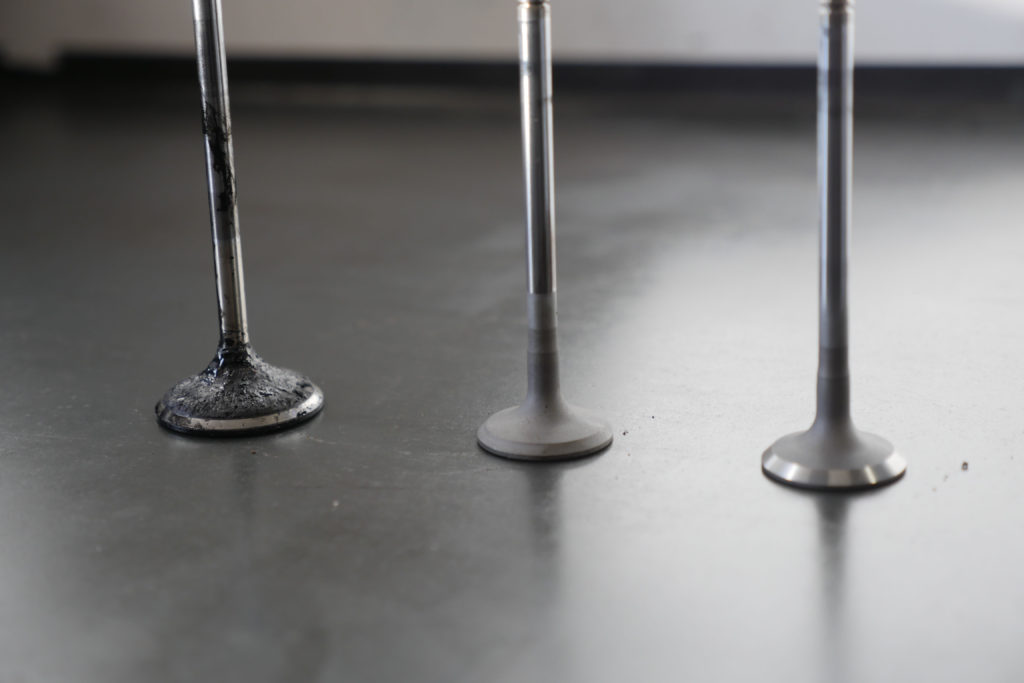
A change in engine sound is often the first sign of a fault. A deep, metallic knock that speeds up with revs is dangerous – it may indicate bearing wear.
Different sounds and their causes
- Deep knock from below – crankshaft bearings. Stop immediately.
- Fast ticking from the top – hydraulic lifters or valves, often a low oil level.
- Rattle on a cold start – a stretched timing chain.
- Metallic pinging when accelerating – detonation, wrong fuel or ignition.
What to do?
- Check the oil level immediately.
- If the sound is deep and loud, or the oil pressure light is on – do not drive on.
- Have the car towed to the workshop.
Why not wait?
A worn bearing can spin and damage the crankshaft or block. The repair cost then multiplies, or an engine replacement is needed.
We find the cause of the knock with diagnostics and carry out engine repair. Car must not be driven? Order a tow truck.
Frequently asked questions
Can knocking be caused by low oil?
Yes, a low oil level is a common cause. Top up the oil and come in for a check – damage may already have occurred.
Does a knocking engine always need an overhaul?
No. Noise from valves and lifters is often easier to fix.
How can I tell a dangerous sound?
A deep knock that speeds up with revs is dangerous. If in doubt, stop and call us.
Read also
All articles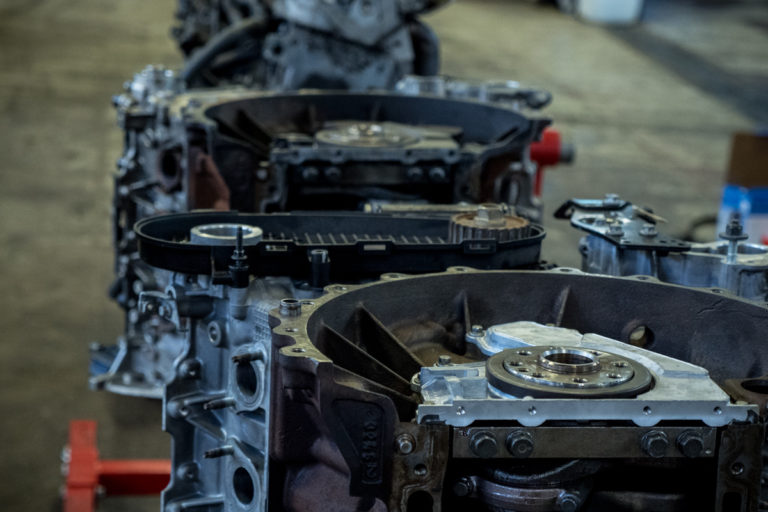
Why is timely engine maintenance so important?
The engine is the most expensive part of your car. We explain why regular maintenance saves money, what the risks of neglect…
Read more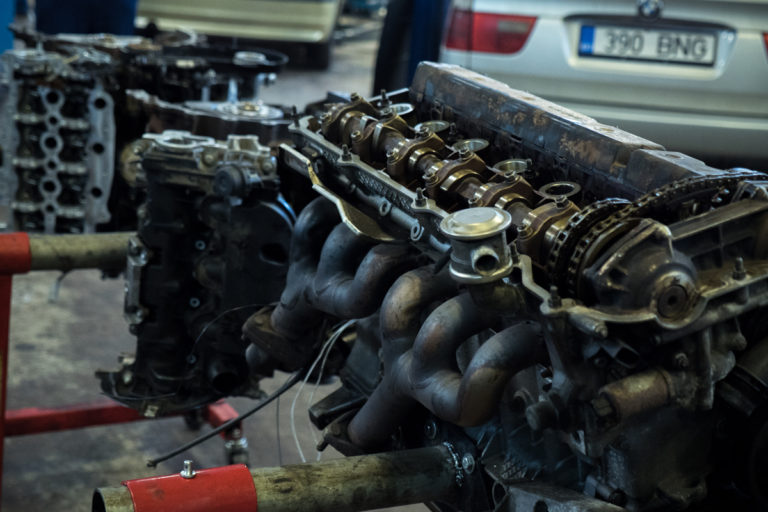
How often should engine oil be changed?
The oil change interval depends on the engine and how you drive. We explain why short city trips are hard on oil…
Read more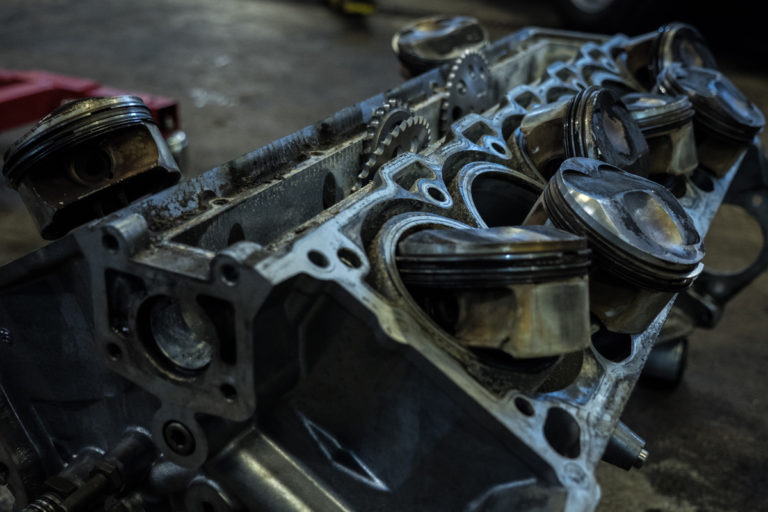
Timing belt replacement: when and why is it necessary?
A broken timing belt can destroy an engine. We describe replacement intervals, warning signs and why the rollers and water pump are…
Read more